


According to a 2022 CDC study, an average of seven people, ages 12-21, died every day by gun violence. 2,526 a year. One person every 11 minutes. Many factors contribute to gun violence, including social media, mental health and the desensitization of homicide deaths.

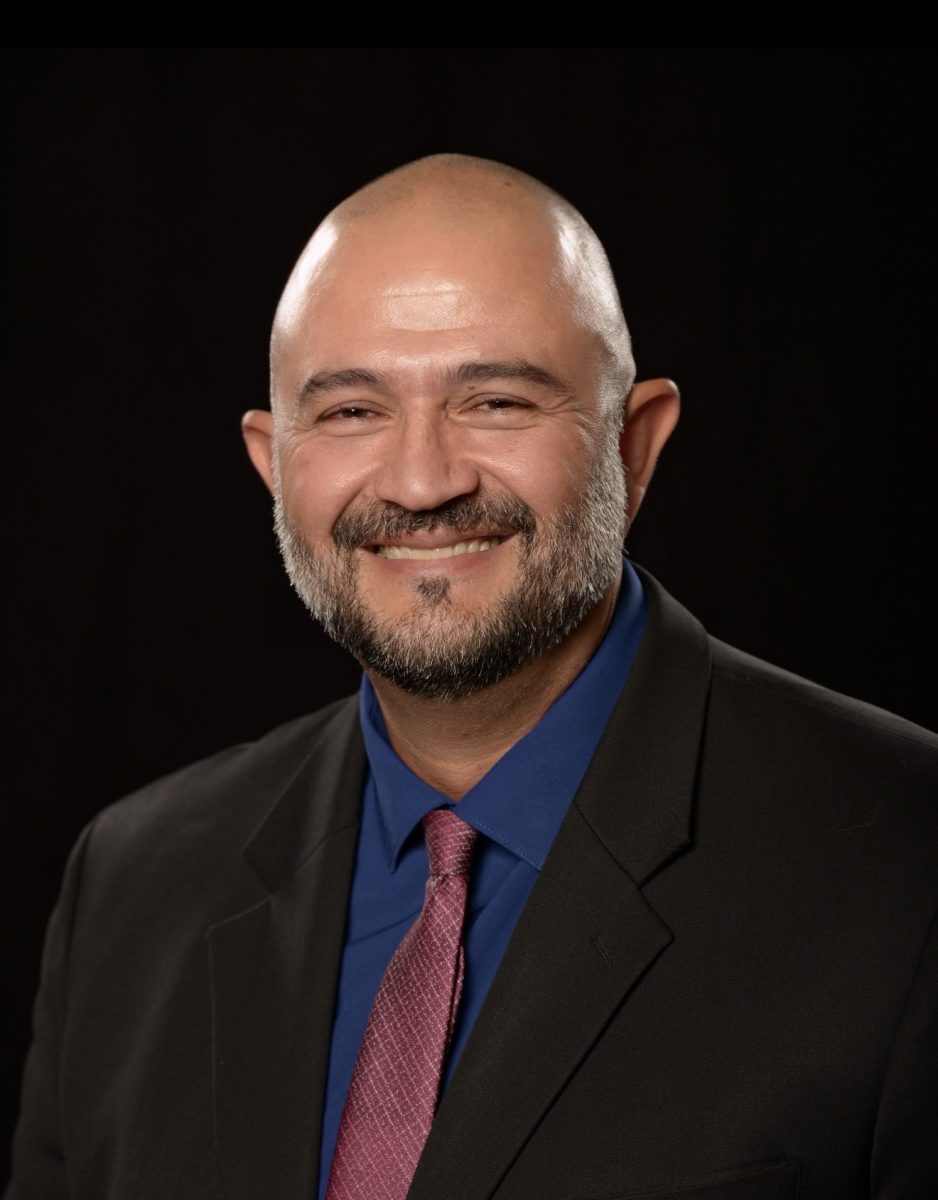
“People don’t communicate anymore. Our society doesn’t feel like they are heard, so they feel like they have to do something drastic to be seen by others, which affects way more people than just the person hurting,” Football Coach Mark Walker said.
A 2025 study from Sandy Hook Promise states 38% of boys clicked on a firearm ad they saw online, and 30% of parents noticed gun advertising or influencer content on their child’s social media, highlighting a major awareness gap. These statistics represent the toll phones, social media and communicating with the wrong people puts on a teenager.
“I’m a big advocate that people shouldn’t be allowed to get social media until they are 16,” Coach Walker said. “There’s so much doubt with it because so much false truth is spread through the media, I want my kids coming to me to understand the truth before their phones.”
Most news headlines derail the objective truth of an event, presenting a societal problem where most adolescents obtain their facts from social media and news headlines. According to the Pew Research Center, over 50% of adults receive their news from Instagram, YouTube, TikTok or Facebook. This contributes to the rise of gun violence because, as people receive just a small tunnel view of an event from social media or news headlines, they react more extreme than if they knew all the facts. This misinterpretation creates an untrustworthy community amongst social media users.
“One of the factors of gun violence is that when we see anything in the media, we get used to it happening, so it feels normal,” AP Government teacher Danielle Panzarella said. “Spreading information is both good and bad. People already struggling will become more extreme. Sometimes free speech leads to an atmosphere that contains violence.”
While these issues continue to increase among younger generations, the lack of recognition from parents and guardians only creates a stronger awareness gap. A recent study done by NBC News, shows the rate of gun-carrying among adolescents increased 41% from 2002 to 2019.
“It feels insane how readily anyone in our country can obtain a firearm or weapon,” junior Tramon Jordan said. “However, people are going to get guns if they want them, so our government should work on more matters for protecting their people.”
According to the National Library of Medicine, over 44% of attackers shared their specific plans of violence with a close person in their life. While preventing a specific attack brings troubles, society can focus on raising awareness of mental health, possible solutions and coping mechanisms to these events.
Adults begin the process of changing the mindset and media of teenagers, and that begins with the current rise of mental health concerns. According to the National Alliance of Mental Illness, one in six youth and one in five adults experience a mental health disorder each year. While 2021 studies show over 50% of U.S. adults received treatment for mental health illness, the ripple effects of human mental health continue to cause harm toward social media and gun violence across America.
“Social media always pushes an agenda on people,” senior Elijah Sekandi said. “Any kind of media we see or read will try and spread propaganda in both directions because people are biased. It’s our job to do the proper research and analysis of the topic to get the full picture.”
According to a group of students interviewed at Legacy, the lack of control of algorithms sculpts a modern society of desensitized ideas of fatalities and violence from firearms. Seeing these aggressive and vicious actions normalizes the idea of using weapons to settle problems amongst younger generations. Contributions to these include playing violent video games, action movies or shows and various social media platforms.
As reported by CNN, since the beginning of 2025 to Sept. 10, 2025, 24 shootings happened on college campuses and 23 on K-12 school grounds. A data analysis by Everytown Research Center, states the U.S. gun homicide rate ranks 26 times that of other high-income countries. The American school education system reveals to be a common denominator for these issues, causing heavy and everlasting effects on students throughout America. Although many schools and districts continue to implement safety measures, like the requirement of an armed security guard at each public campus, senior Samuel Kleinjan believes one of the biggest solutions starts with communication and ends with listening to one another.

“I think the root cause of many shootings, whether school related or not, begin with the rise of mental health [issues],” Kleinjan said. “I think this can start with the people in power. School shootings could be more preventable if they were addressed more by people with more authority.”
Even if a shooting doesn’t hold any direct effects, individuals still experience traumatic stress effects. From physical symptoms like change of sleep, appetite changes or unfocused thoughts to emotional symptoms like anger, grief, sadness, guilt or helplessness, all symptoms may become a reality.
Some ways to cope with traumatic stress effects include journaling down feelings or thoughts, talking with a trusted adult, getting some daily time outside or staying into a daily routine. No matter the coping mechanism assessed, improvement requires first acknowledging the feelings. Avoiding the trauma only makes its effects worse and hinders an individual’s ability to live to their full potential.
While hindering the actions of humans proves impossible because people inevitably act upon their feelings, choosing how to react and respond will make a difference in society and in individual communities. Coach Walker believes society should work on doing more to benefit the common good of all people and recognizing that violence should never result from a difference of opinions throughout America.
“People who are doing illegal things are going to continue doing them, but I want to feel like I can protect my home,” Coach Walker said. “We need to be pushing for more awareness on the mental health aspect these days, and people must learn how to start communicating with each other.”





Quentin Gross • Oct 21, 2025 at 10:18 am
Banger